Curated Kenya

Private conservancies, small groups, and Africa's iconic wildlife without the crowds.

Fewer Guests, Better Wildlife

The private conservancies and lesser-known reserves we've selected offer some of the Mara's most exclusive access. Fewer vehicles mean more wildlife sightings and a lighter footprint on the ecosystems we visit.

These conservancies were once heavily overgrazed by livestock. Partnerships between local Maasai landowners and tourism operators have since turned them into some of the best places in Africa to view big cats. We begin in Samburu's arid landscape in Kenya's north before flying south to the Mara, so the trip covers two ecosystems offering a true diversity of wildlife sightings.

Our hand-picked camps provide comfort and privacy. The trip includes all accommodation, internal transit, food, drinks, and tips for local guides — you have nothing to think about but the wildlife.

See the camps, activities, everything included & the day-by-day itinerary FULL TOUR DETAILS

Three Destinations

Samburu

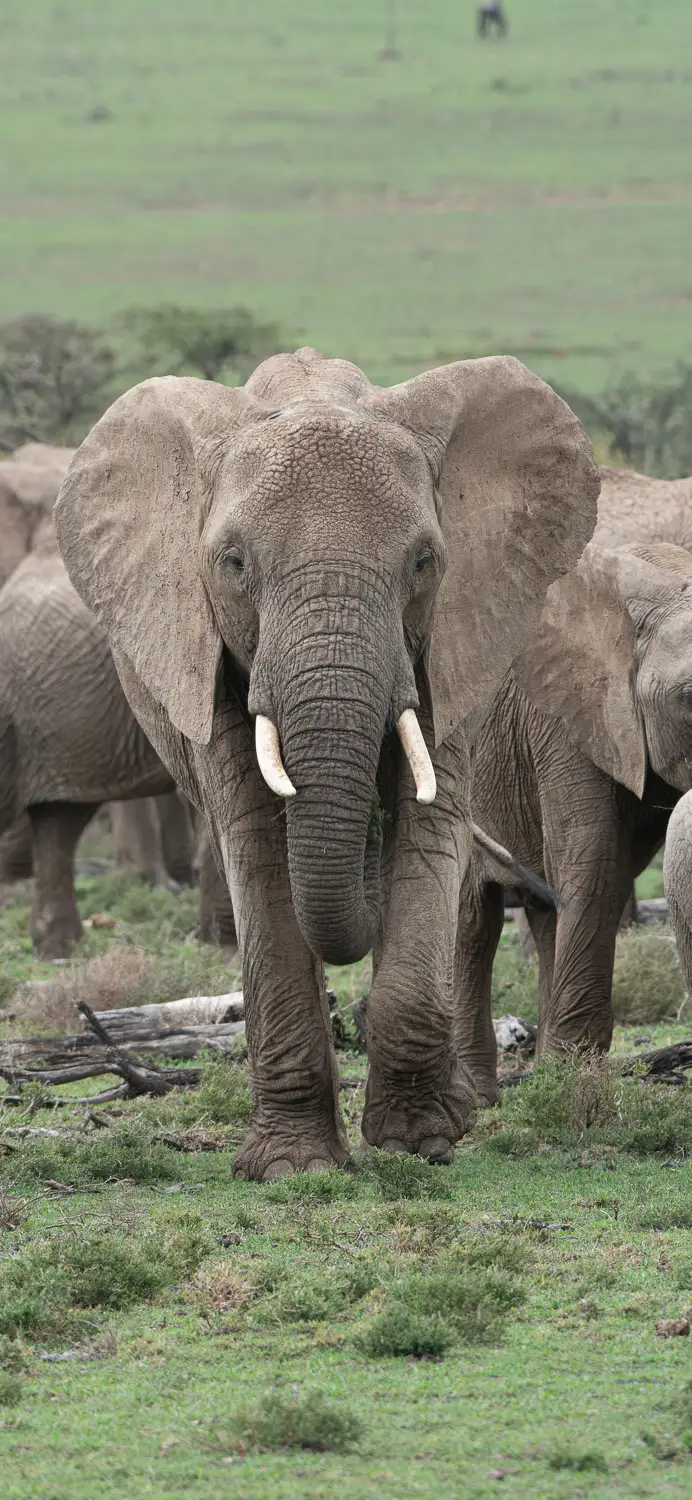
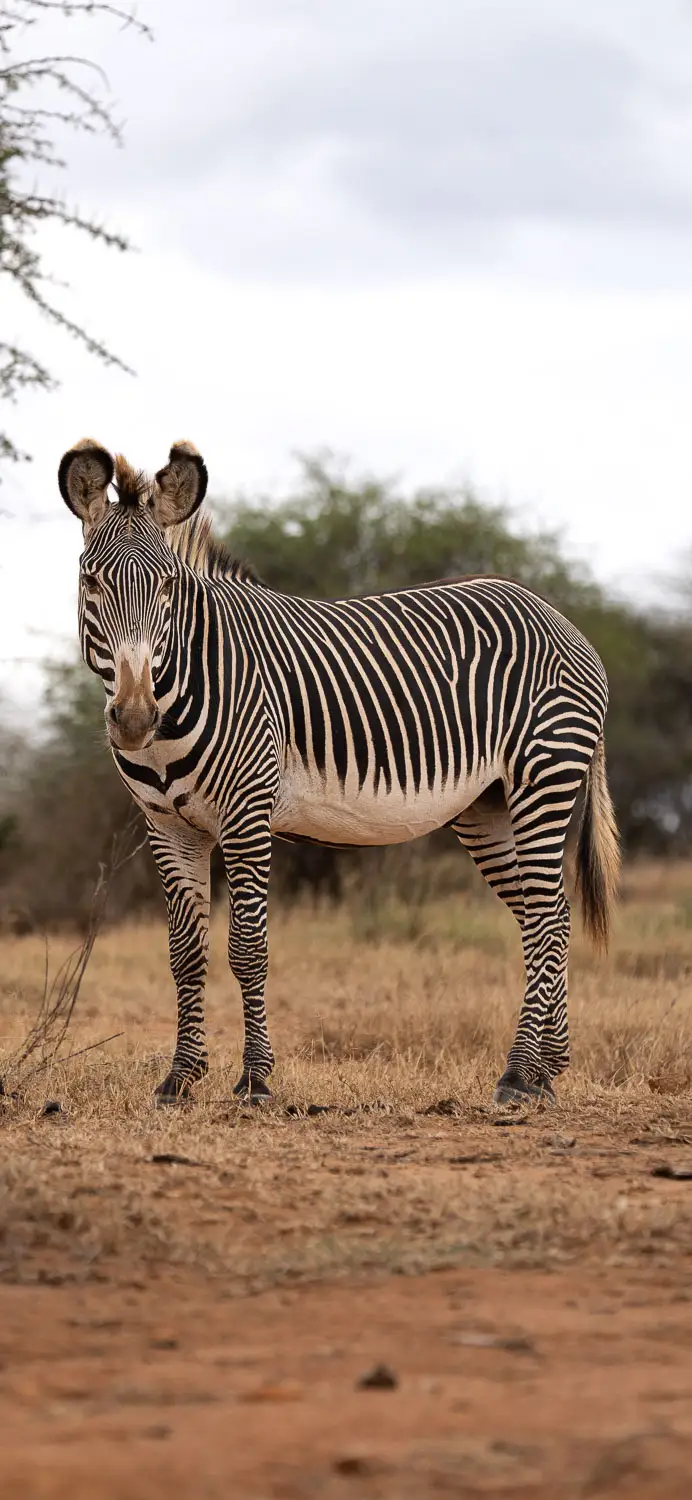
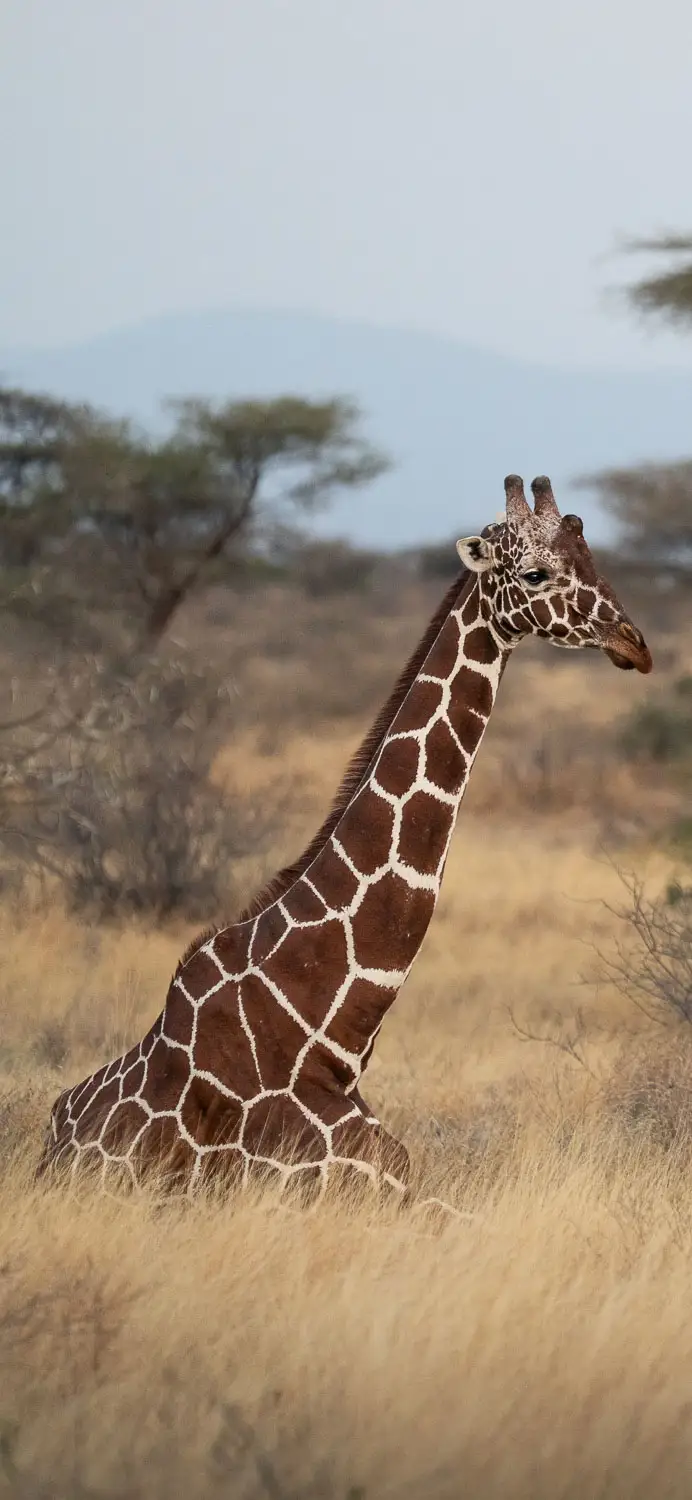
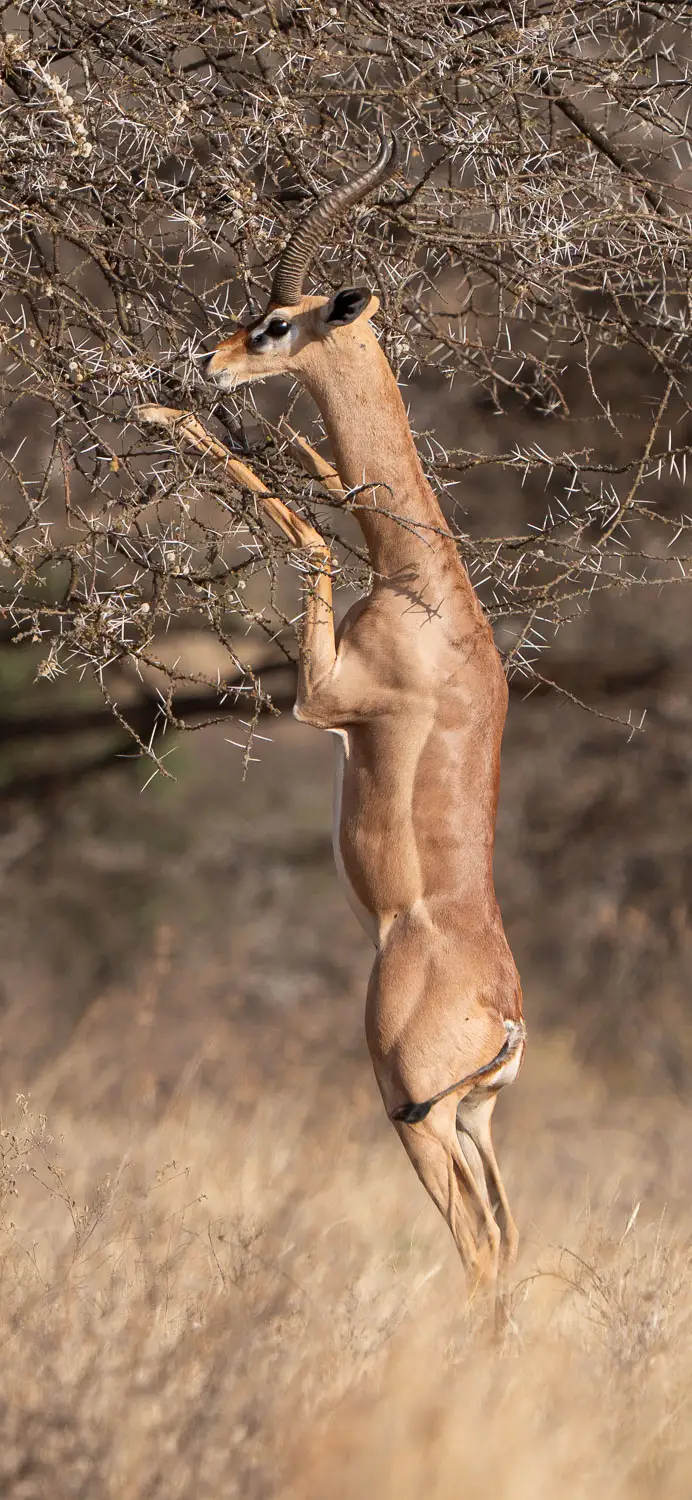
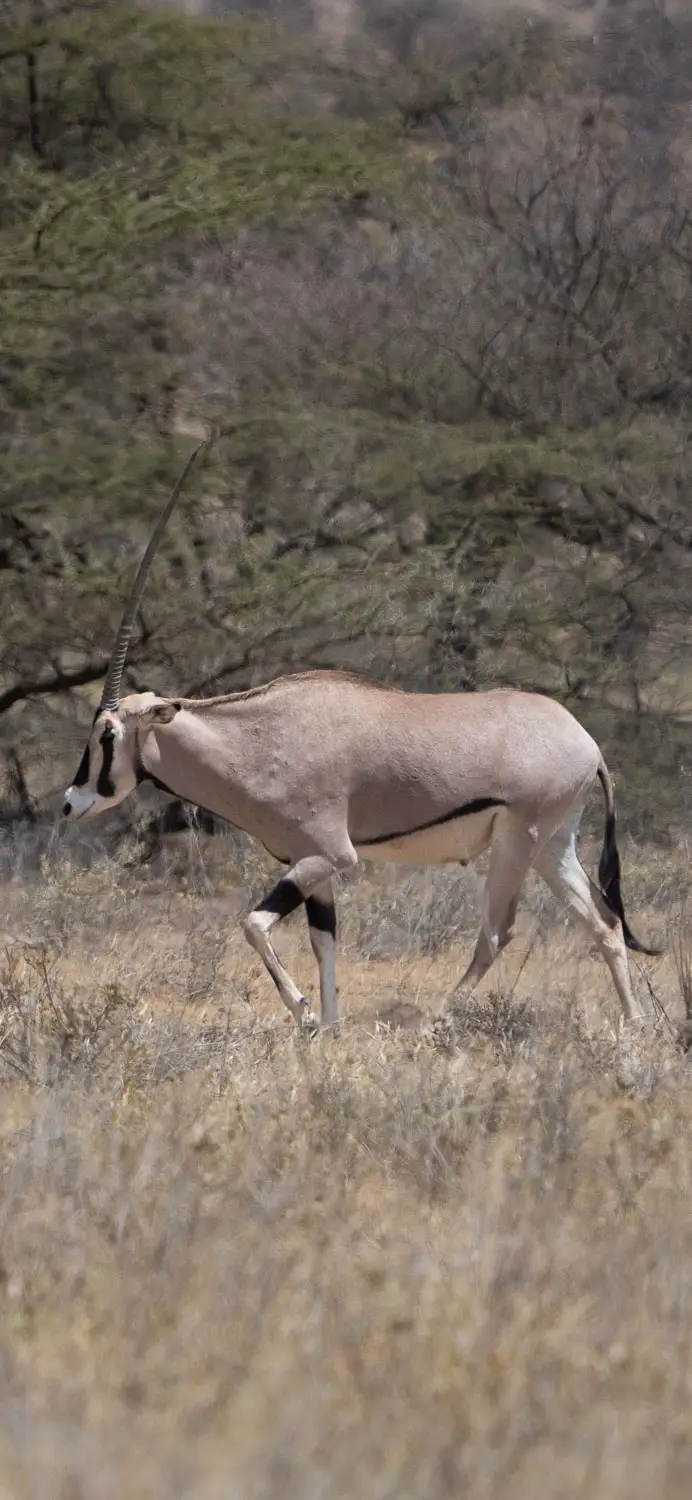
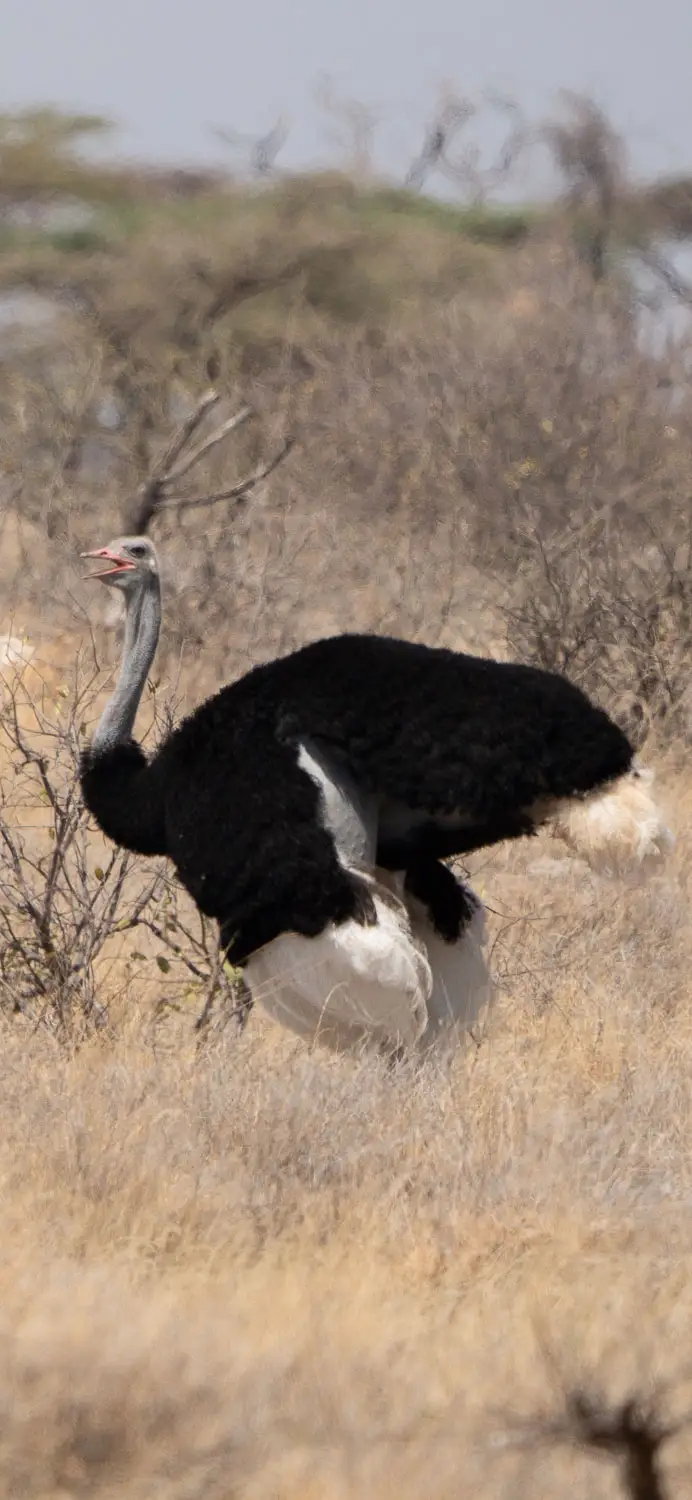
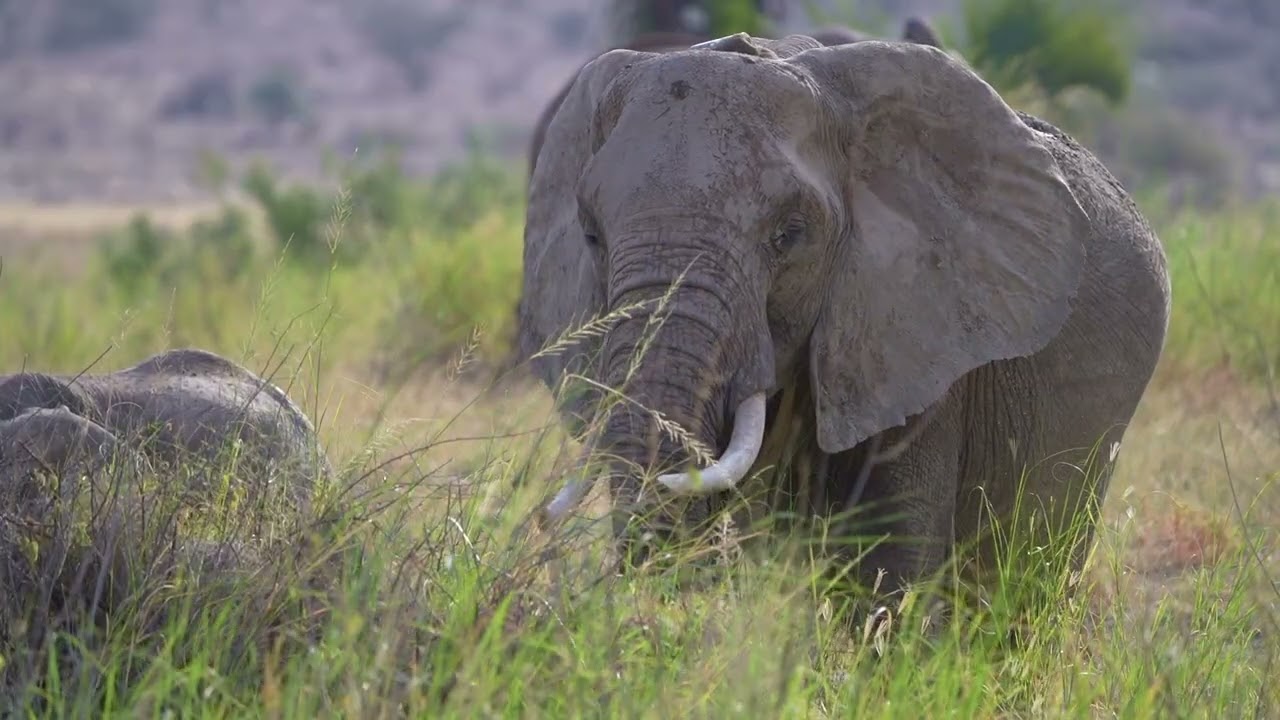
A short flight north from Nairobi drops you into an entirely different world: hot, dry, and shaped entirely by the Ewaso Ngiro River. Elephants arrive in great herds each day to drink and bathe in its waters, before returning to the nearby hills at night. The area's other main targets are the Special Five: Grevy's Zebra, Somali Ostrich, Gerenuk, Beisa Oryx, and Reticulated Giraffe, species you won't find anywhere else.

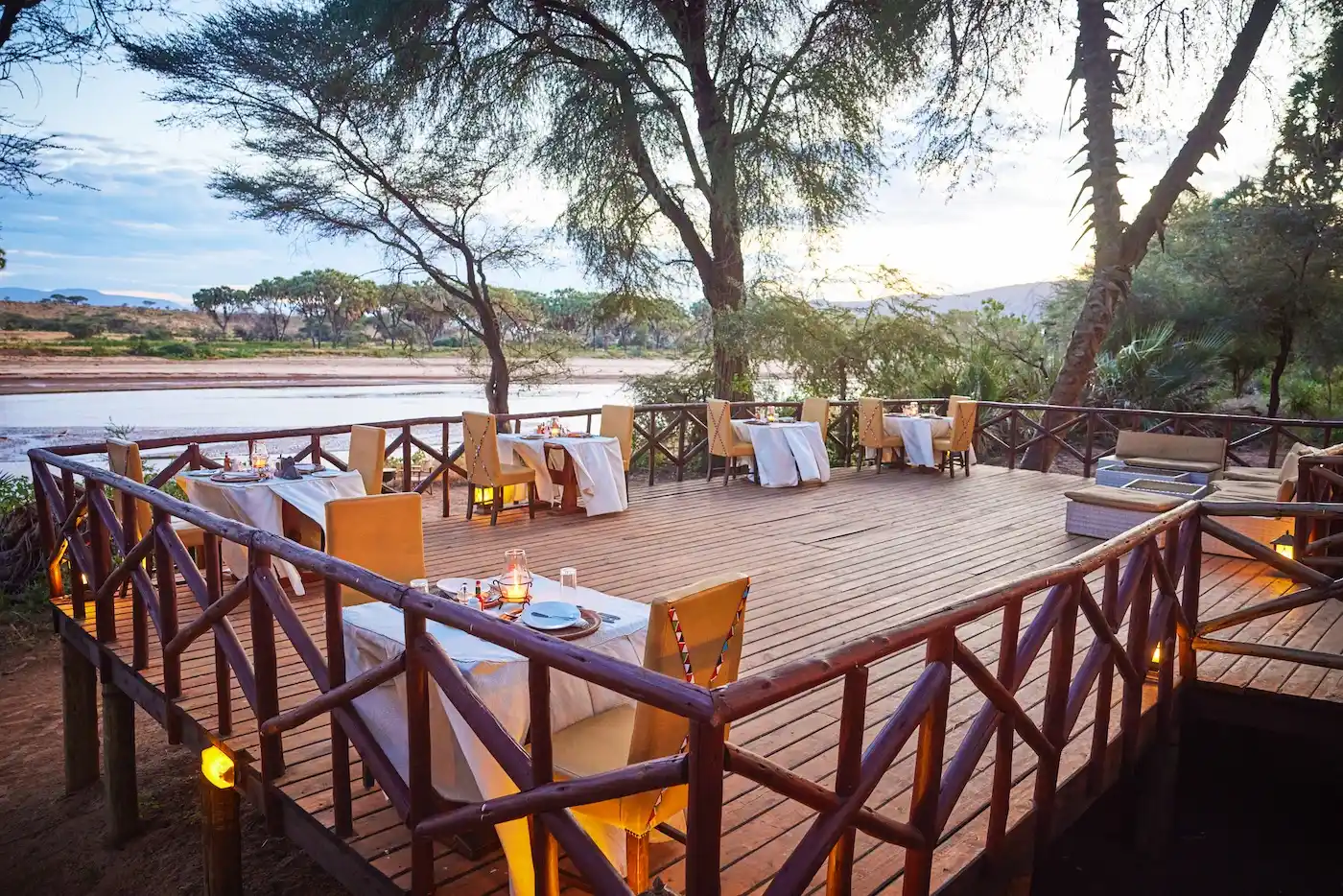
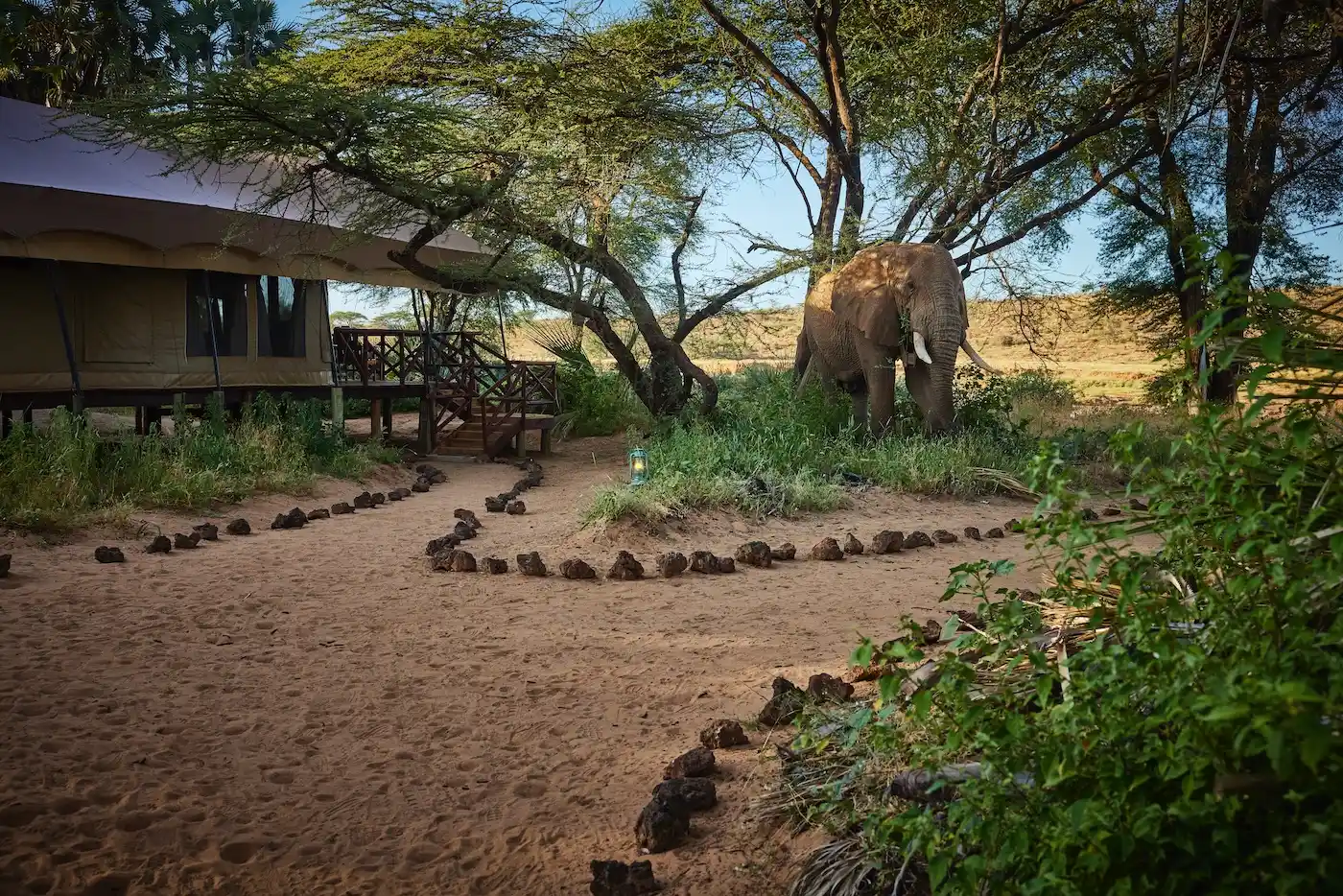
We stay at a luxury tented camp right on the Ewaso Ng'iro riverbank, famous for the elephants who routinely wander through camp. Each tent has a small dip pool for the hot Samburu afternoons. From here we have access to both Samburu and Buffalo Springs National Reserves.
Olare Motorogi Conservancy

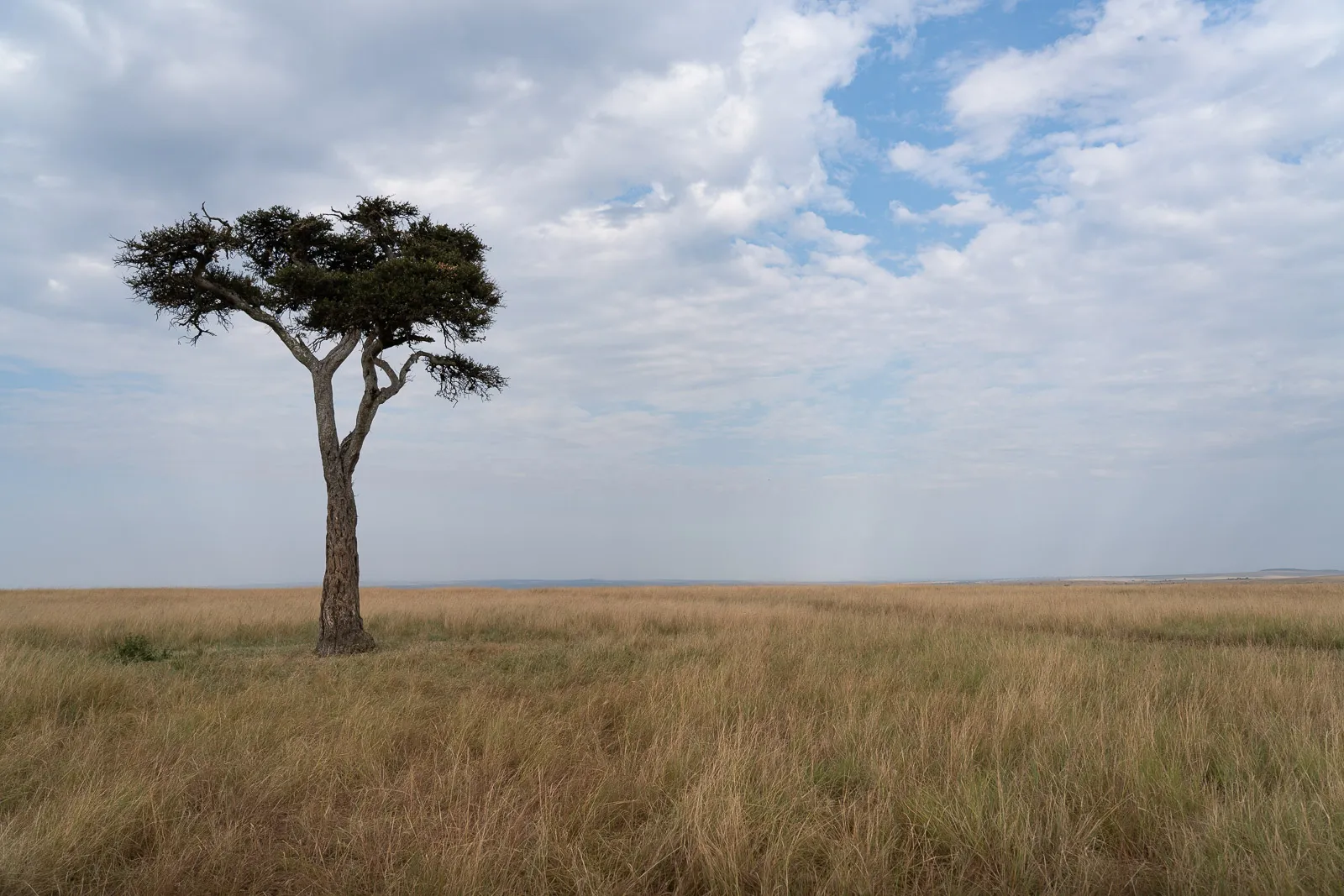
Rolling grassland straight out of the Lion King, crisscrossed by hippo-filled streams that feed into the Olare Orok River. It's the perfect place to begin our time in the Mara. From here we have direct access to Maasai Mara National Reserve, for great migration viewing (seasonal) or hot air balloon safaris.

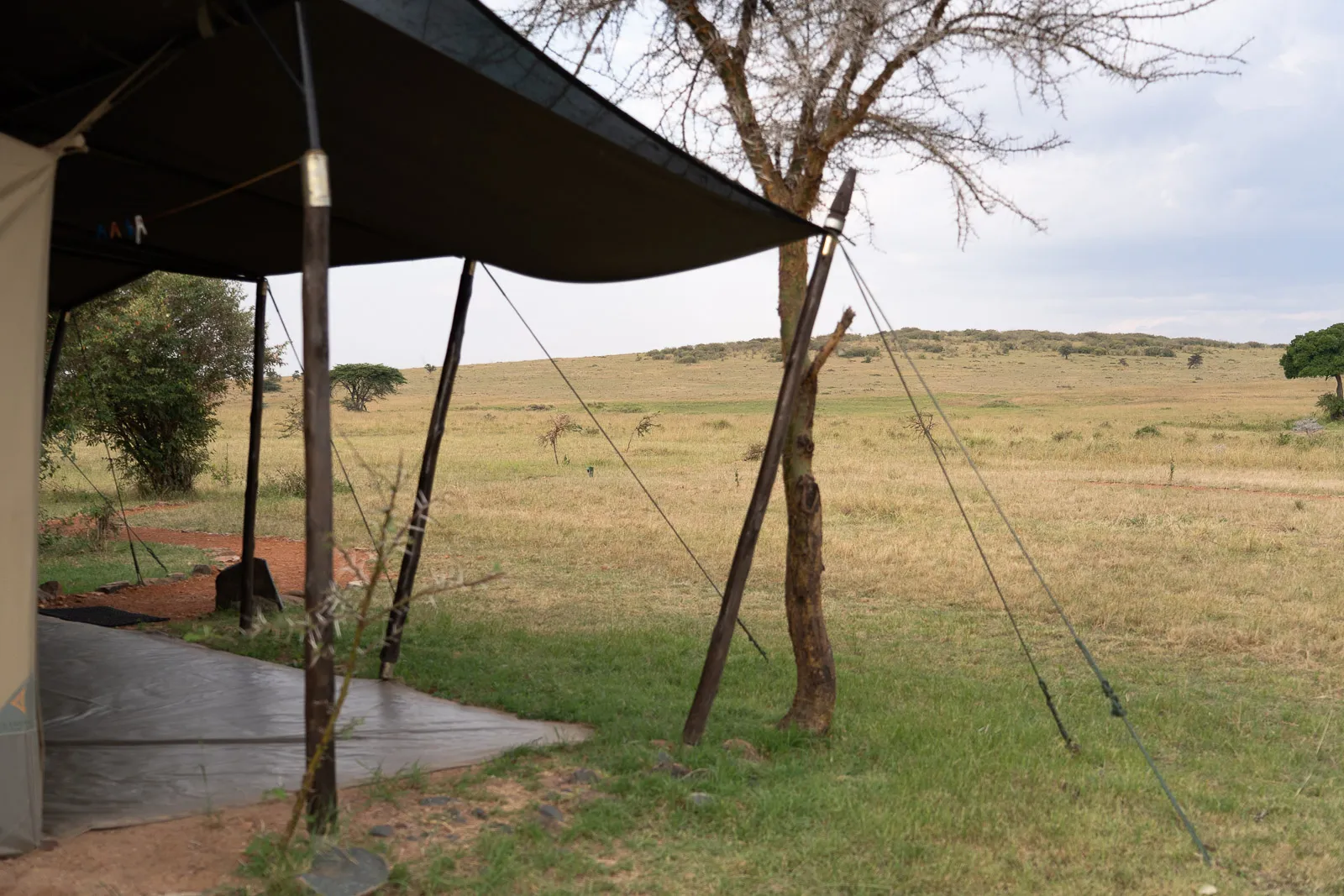
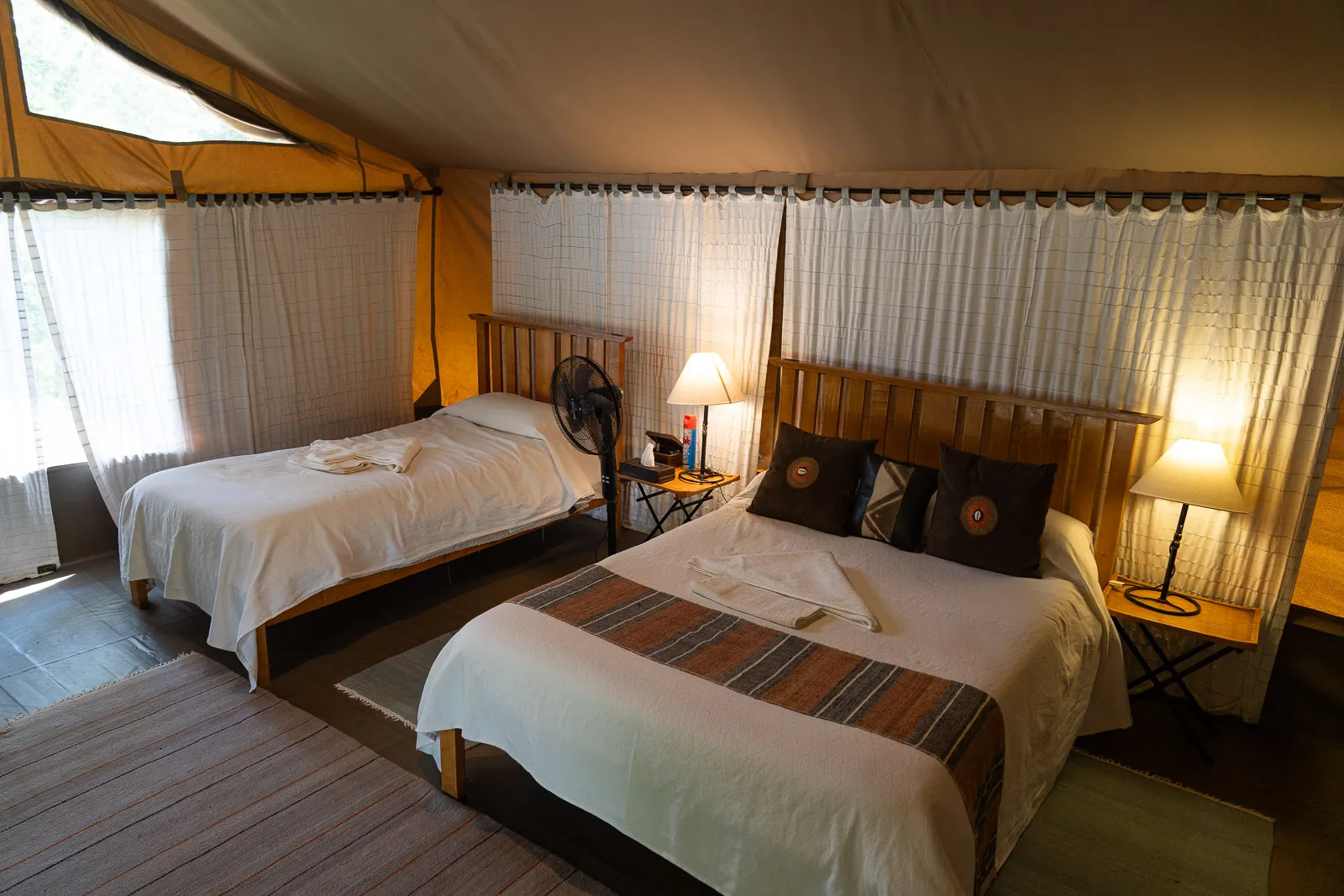
We stay in an eco tented camp run by the local Maasai community, tucked beside one of these streams and looking out over the grasslands. The hospitality here is something guests talk about long after they've left.

Ol Kinyei Conservancy

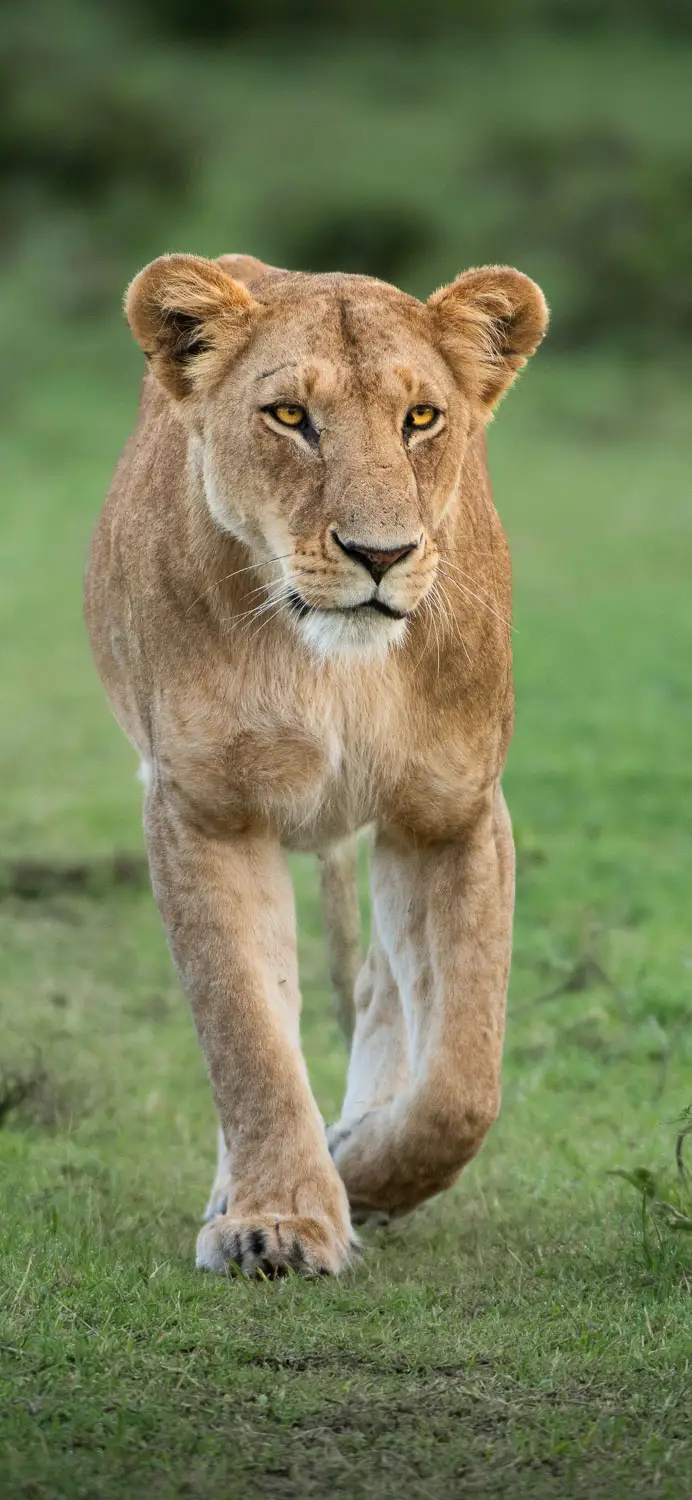
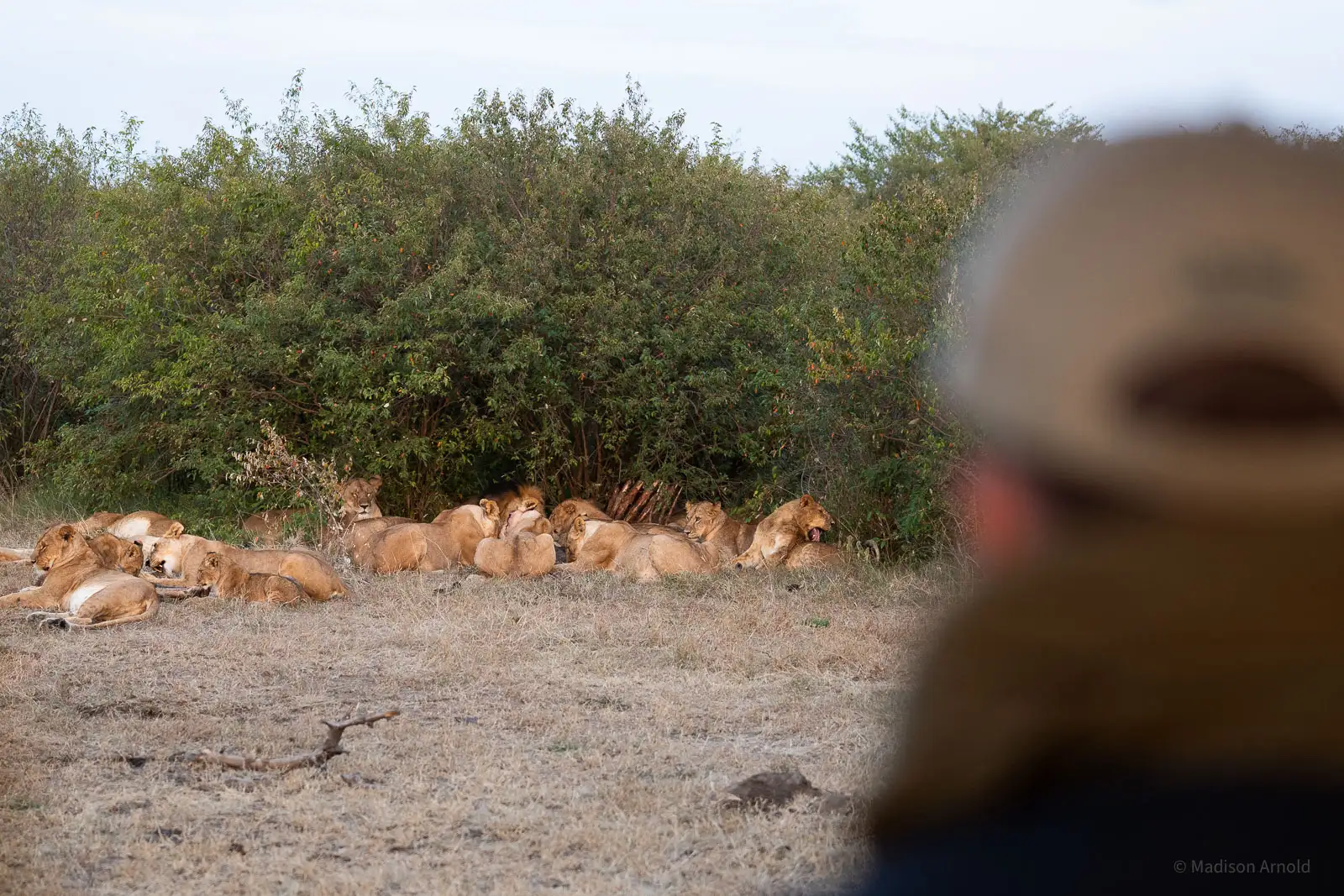
Rolling hills and riparian acacia woodland, home to potentially the highest lion density anywhere on Earth. Over 70 lions share this conservancy with just three camps. Wildebeest from the Loita Hills migration move through in large numbers year-round, and from here we also head into the neighboring Naboisho Conservancy to follow the action wherever it leads.

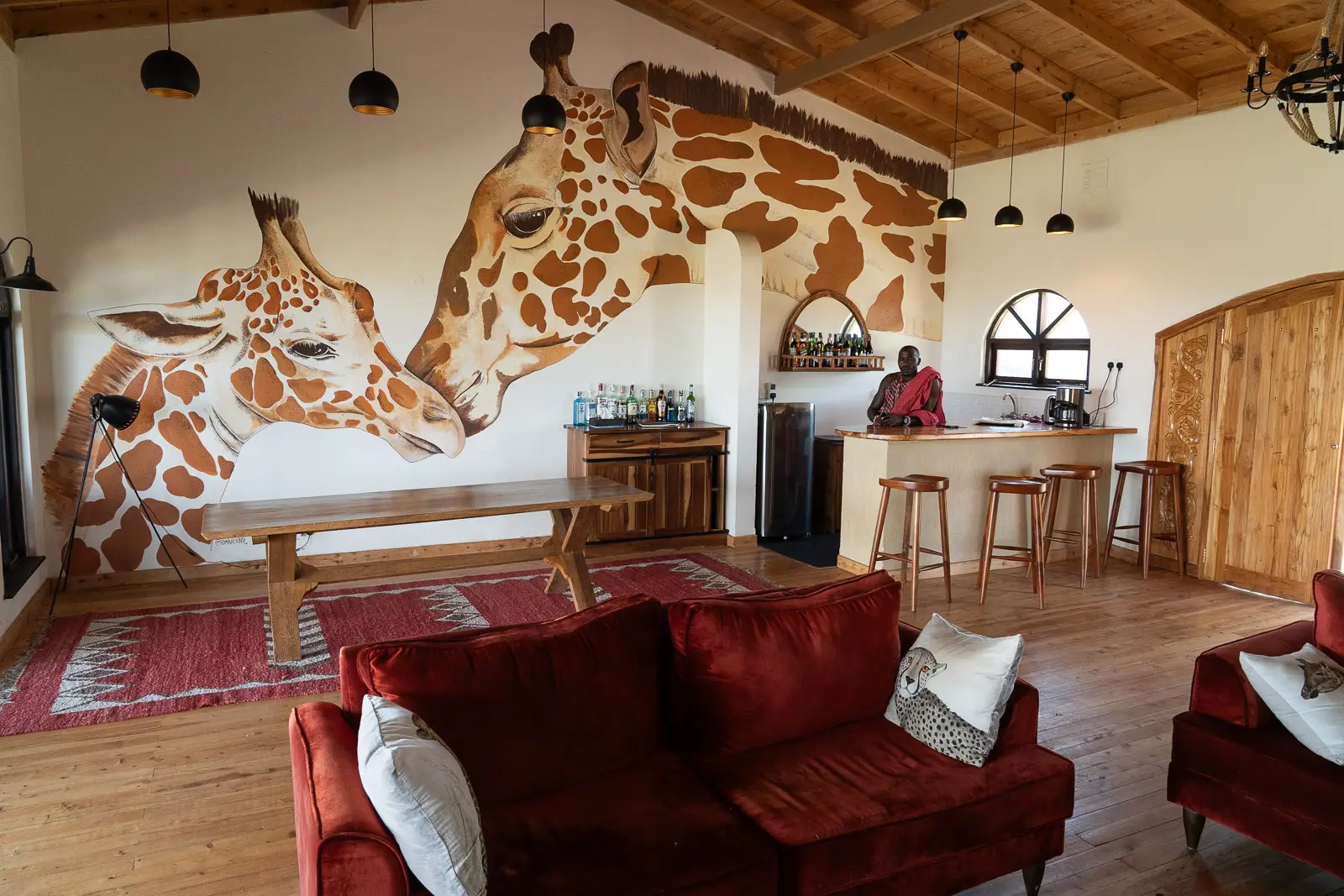
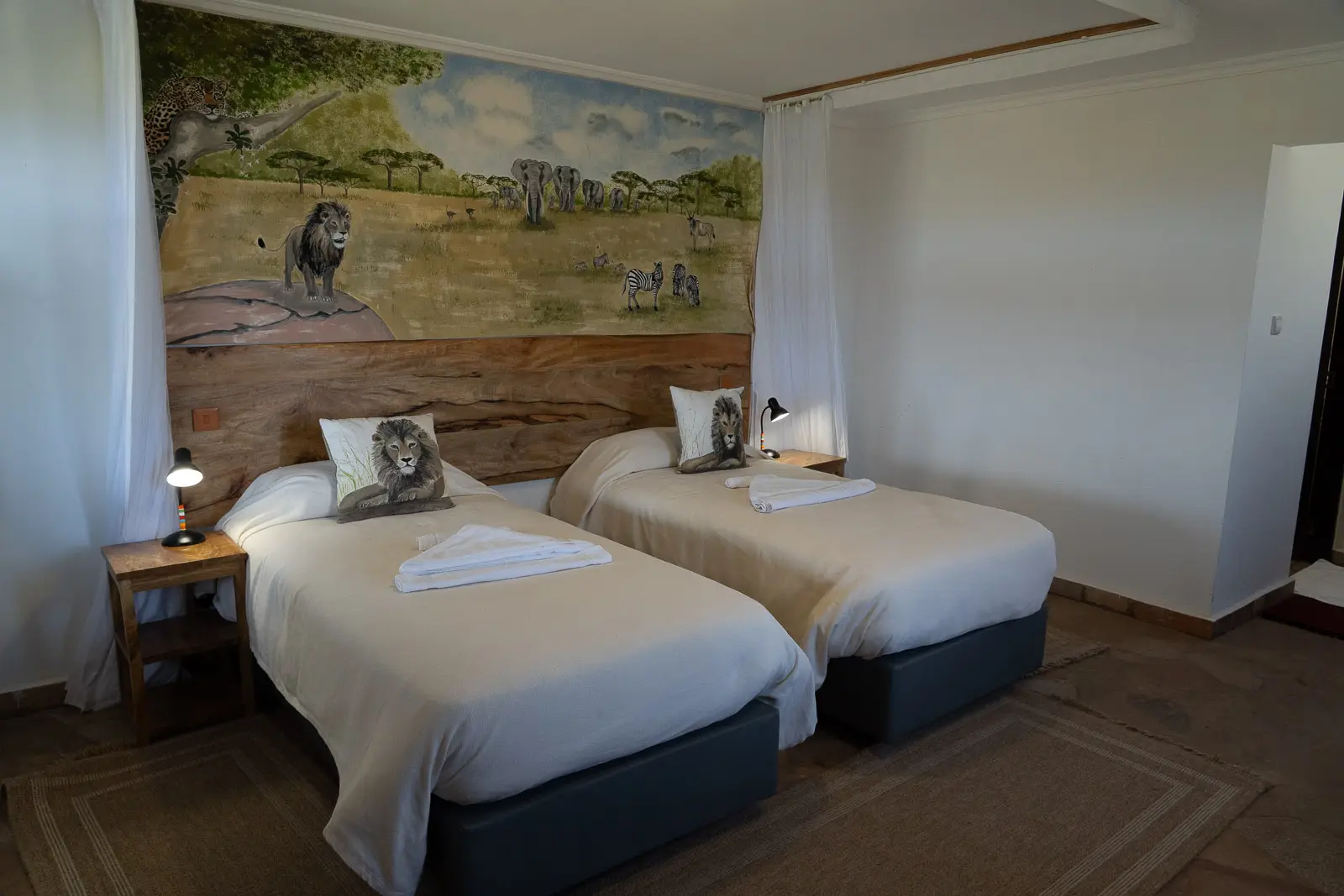
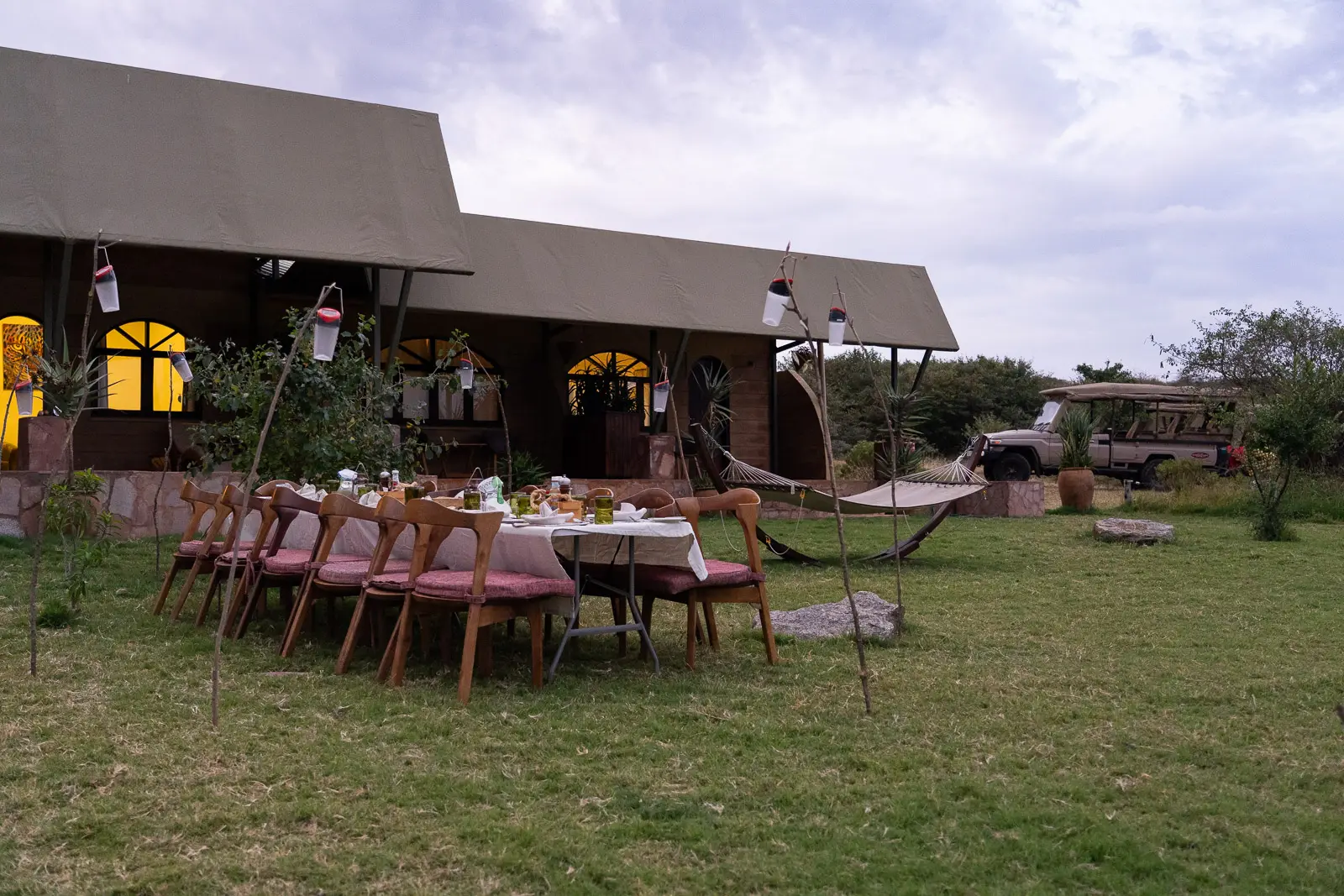
We stay in private cottages reserved exclusively for TWP guests, perched on a hillside with sweeping views across the conservancy. Each comes with its own chef, a bar and lounge area, hammocks for lazy afternoons, and a firepit for the evenings.

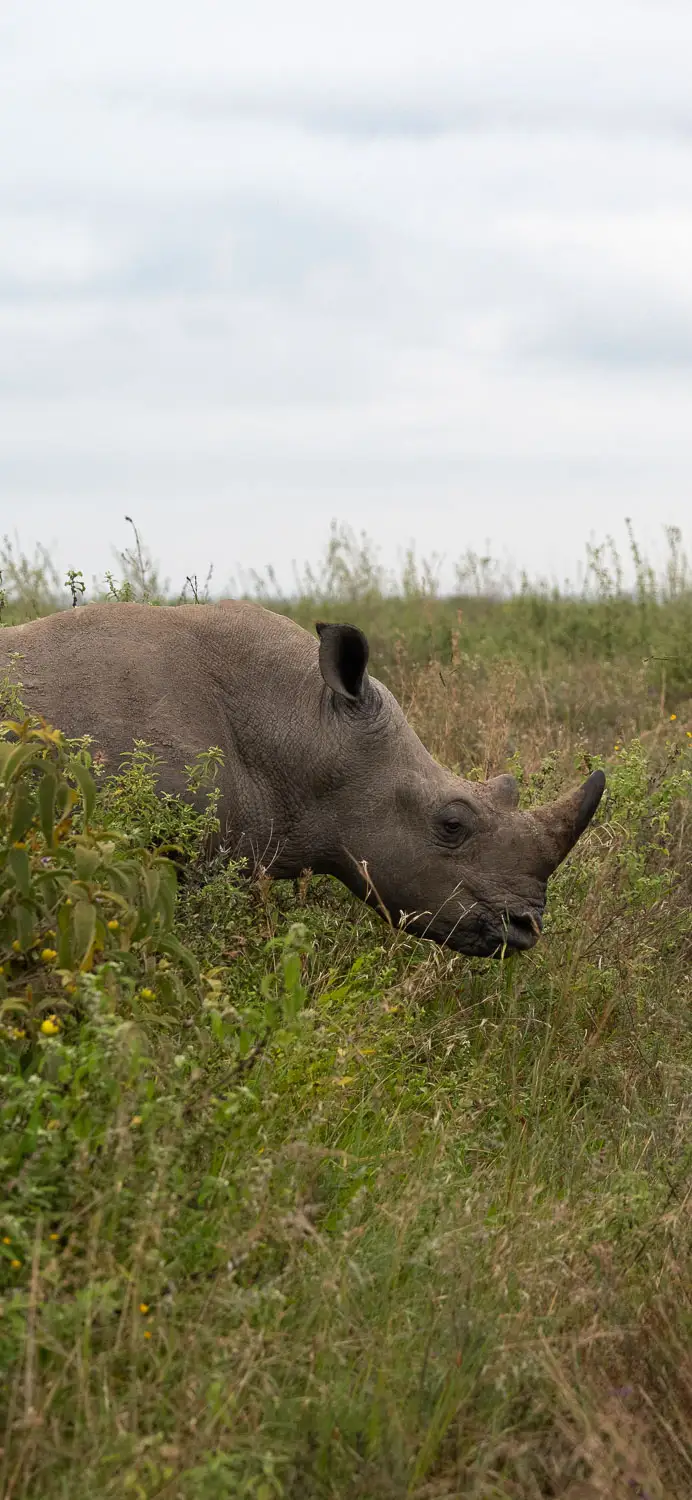
Big Five Special Five
Lion
Elephant
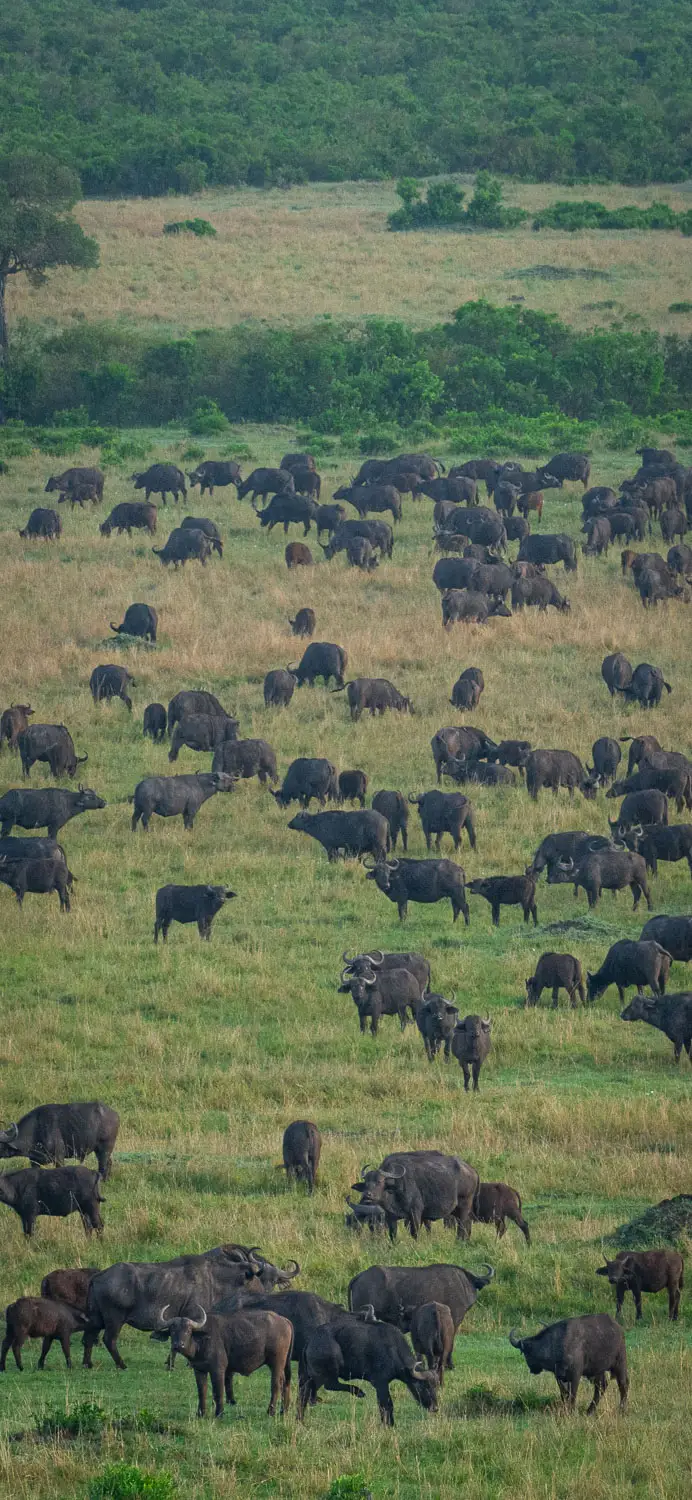
Cape buffalo
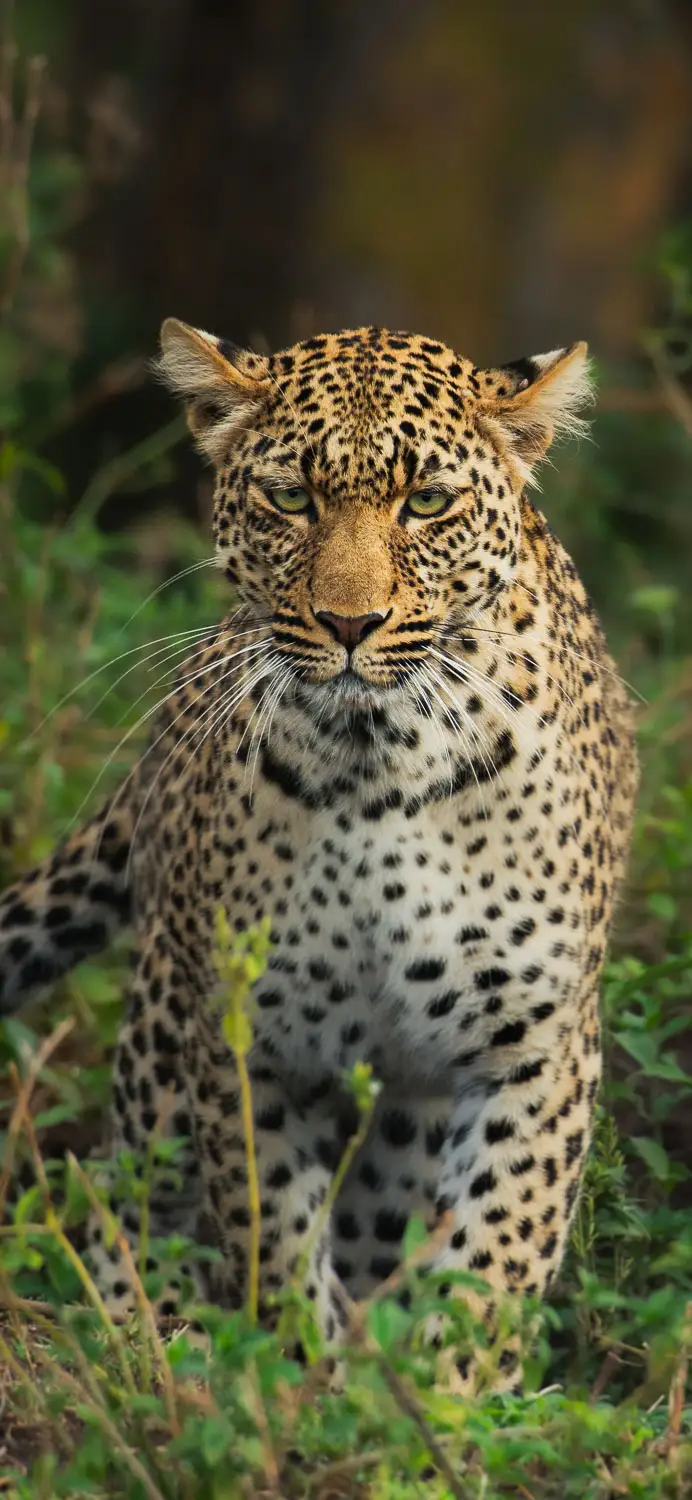
Leopard
Rhino
Grevy's zebra
Reticulated giraffe
Gerenuk
Beisa oryx
Somali ostrich

Vehicles Built for the Wild

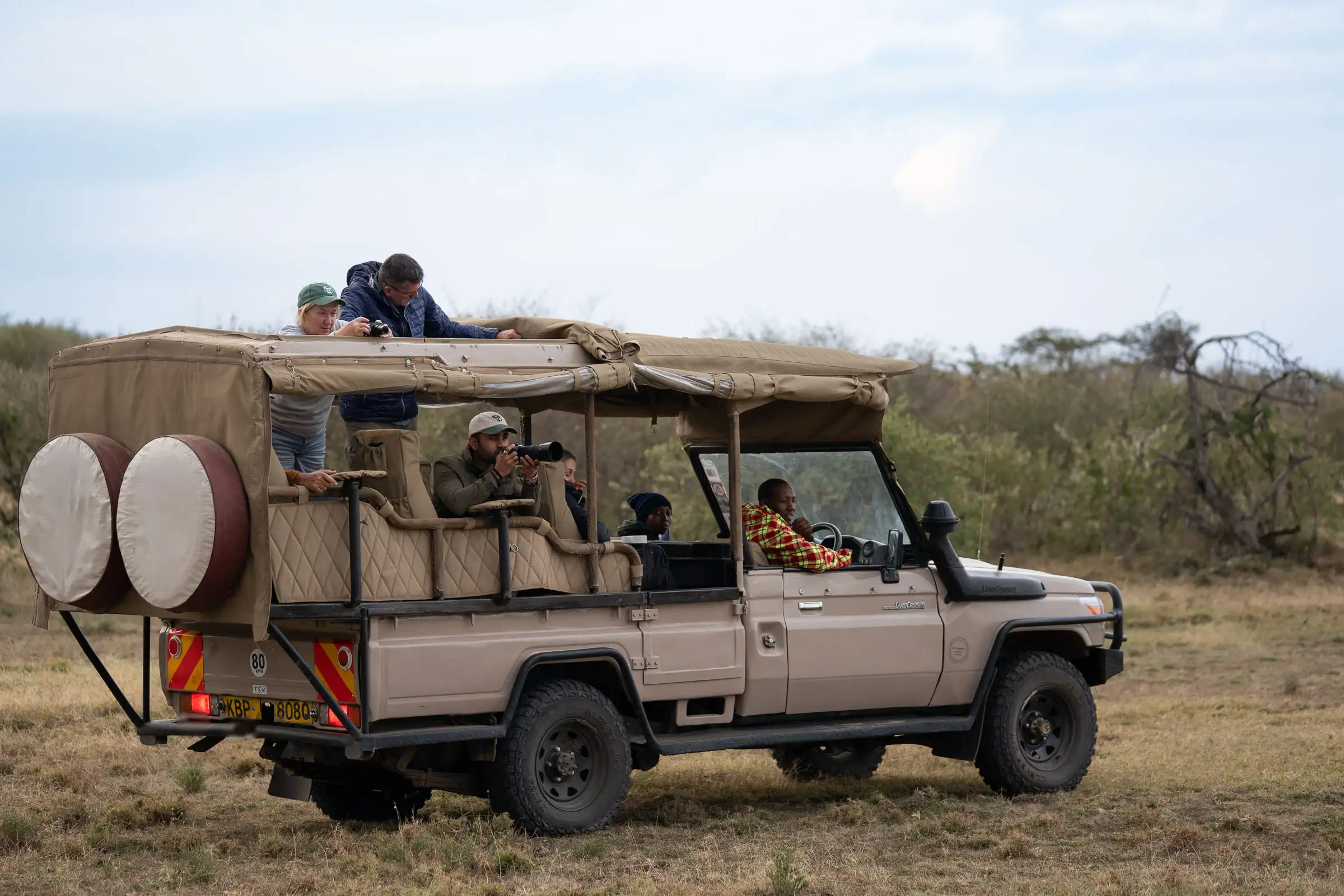
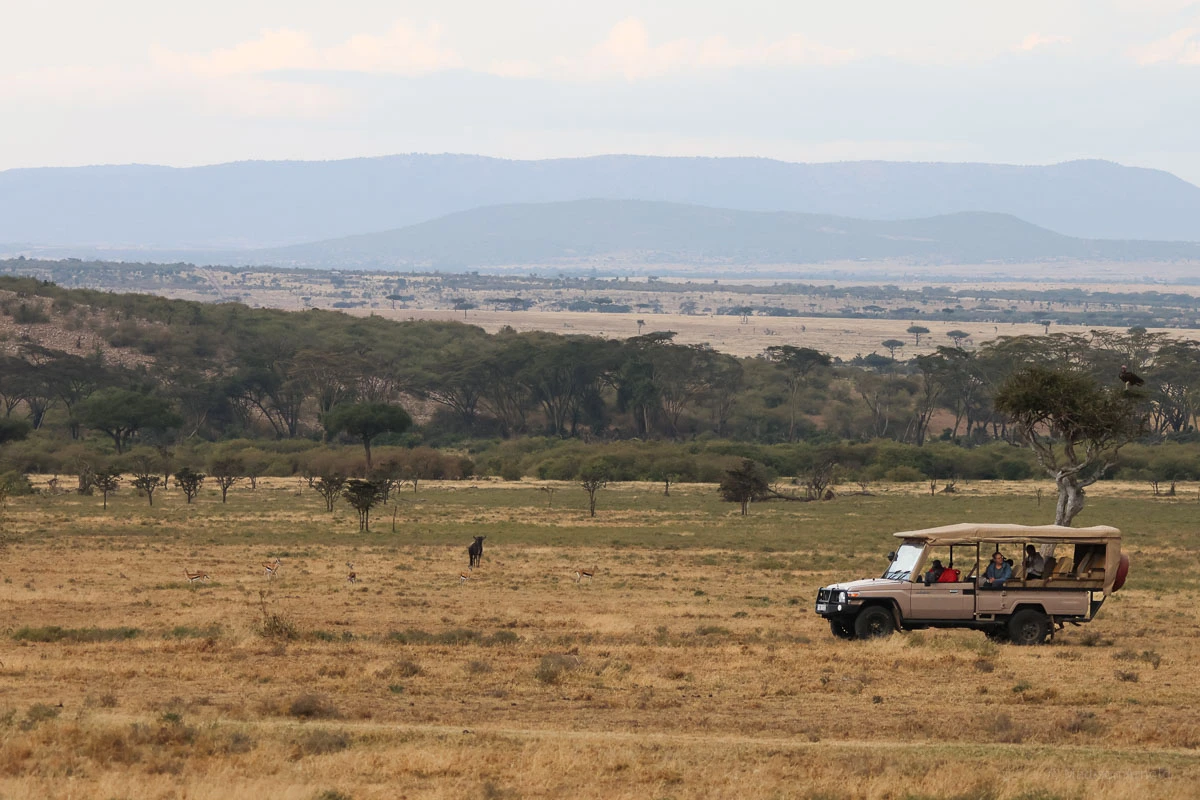
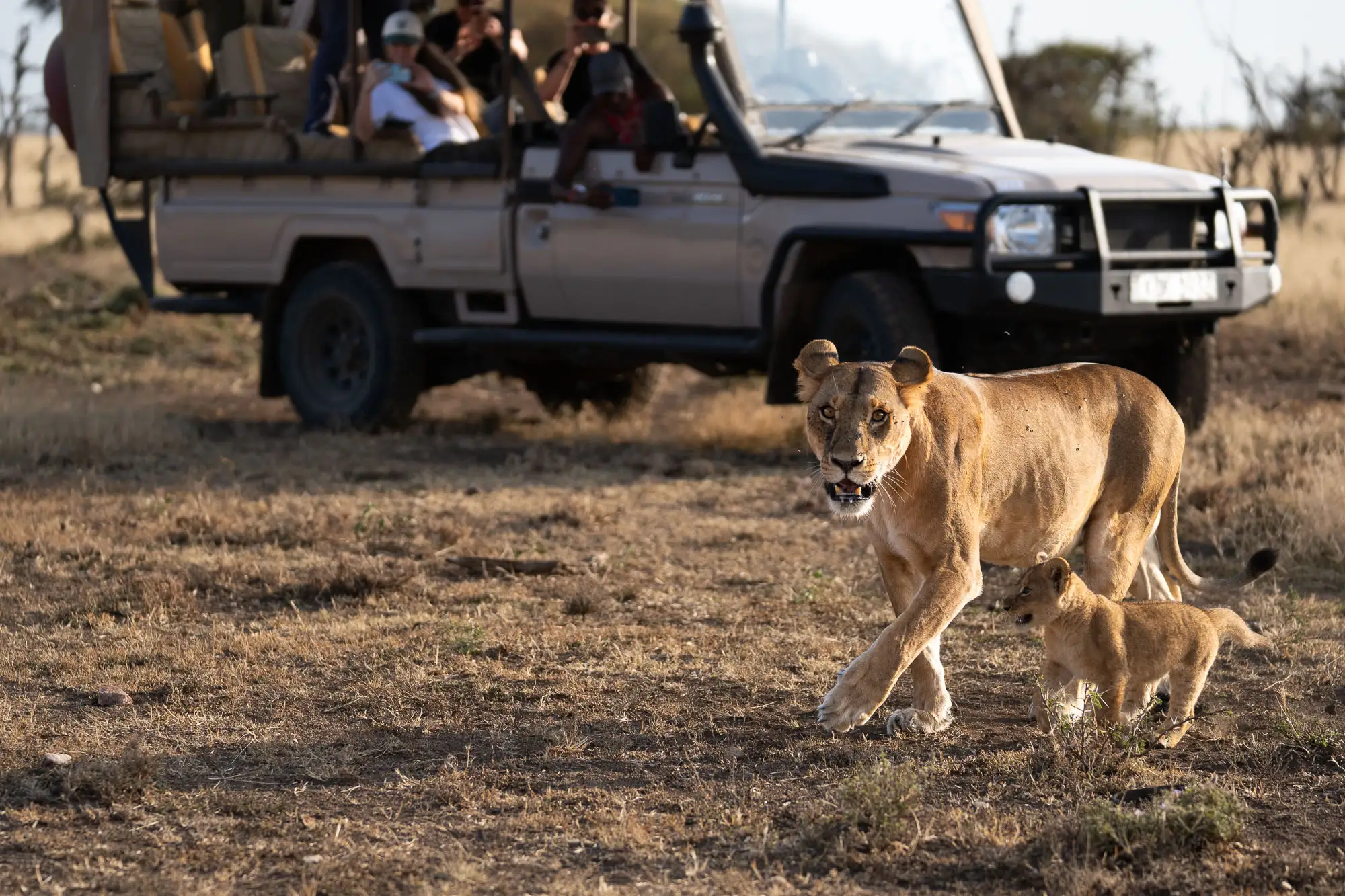
Open-sided safari vehicle in the Maasai Mara

Most safari vehicles are enclosed 4x4s with a pop-top roof and small windows. Ours are different.

  • Completely open-sided. No windows, no glass, no barrier.
  • Removable roof. Stand up during sightings for an unobstructed view and a clean shot.
  • Limited guest numbers. We cap how many guests ride in each vehicle, guaranteeing everyone a window seat.

Bush Luxury

This tour stops at a mix of comfortable tented camps and luxurious safari-inspired cottages. These intimate camps hold no more than 14 rooms each and sit directly within conservation areas, so game drives start the moment you step outside your room.

We serve a mix of global cuisine with authentic Kenyan flavors. Breakfast is typically served on game drives as a bush picnic, while lunch and dinner are usually served buffet-style back at camp. All meals and drinks, including a selection of beers, wines, and spirits, are fully included in your tour. We are experienced in accommodating a wide range of dietary preferences and intolerances, so just let us know what you need.

Private Conservancies Make the Difference

Rather than paying entrance fees to the county, our conservancy fees fund leases that pay the Maasai landowners directly for keeping their land open and undeveloped, aligning conservation with the livelihoods of the people who live here. Additionally, the conservancies have strict caps on guest numbers, making time there feel secluded, private, and truly wild. The result of this innovative approach to conservation can be seen in the wildlife. In 2025, Ol Kinyei conservancy recorded a greater lion density than anywhere else in the world.

You'll see more wildlife with greater privacy than in the main reserves. You'll also have access to activities the public reserves don't allow.

Responsible travel

Giving Back to the Wild

To ensure a tangible impact on the ground, 10% of all profits from The Wild Perspective are donated directly to conservation efforts. Profits from this trip go to the Wildlife Conservation Network's Ewaso Lions project — active in the very Samburu landscape this route visits. For more information on their work, visit ewasolions.org

Community-Owned Camps

We prioritize stays at small, community-owned camps rather than large commercial lodges. Our camps in Olare Motorogi and Ol Kinyei sit on community land leased by safari operators, directly generating income and employment for local Maasai communities.

Conservation-Led Exploration

Every expedition is designed with a "Wildlife First" ethos, prioritizing low-impact and supporting habitats that are actively managed for conservation. We choose our destinations based on their commitment to ecosystem health and species protection.

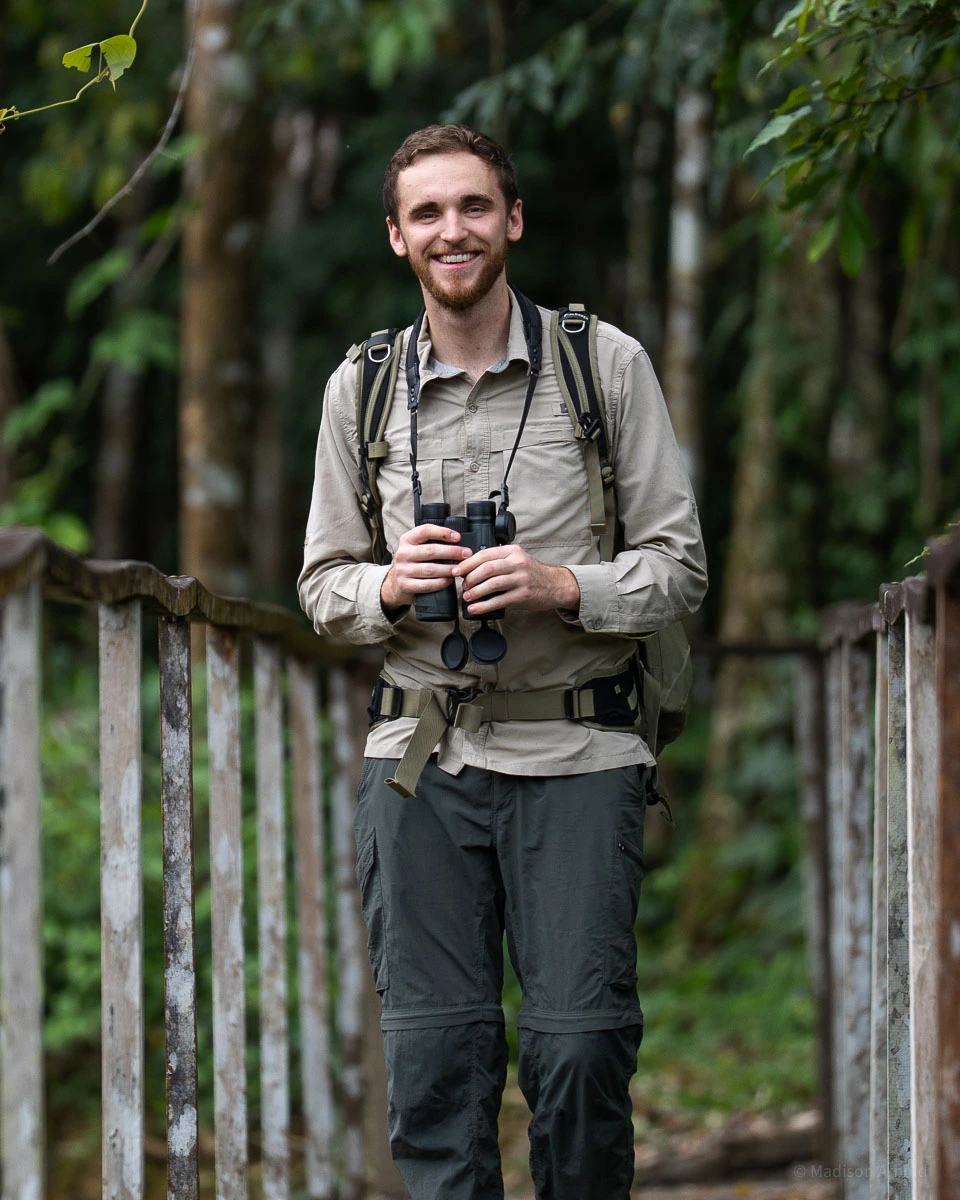
Zach Arnold, TWP's tour biologist, in the field with binoculars

Meet Zach

Zach is a field ecologist with bachelor's degrees in biology and ecology, a master's in conservation, and is completing a PhD in Animal Ecology. His career thus far has taken him all over the globe: as a songbird researcher in Belize, a university lecturer at Georgia Southern University, a brown bear guide in Alaska, and the Chief Science Advisor on a wildlife documentary in Peru.

That depth of training shows in the field — instead of a rehearsed script, you get real interpretation of the landscape. As a wildlife photographer and avid birder himself, he also knows exactly what you need to nail the shot or spot the species you've been chasing.

After his first trip to Kenya in 2022, he spent years building relationships with local guides and conservancies before bringing small groups of travelers to see it for themselves in 2026.

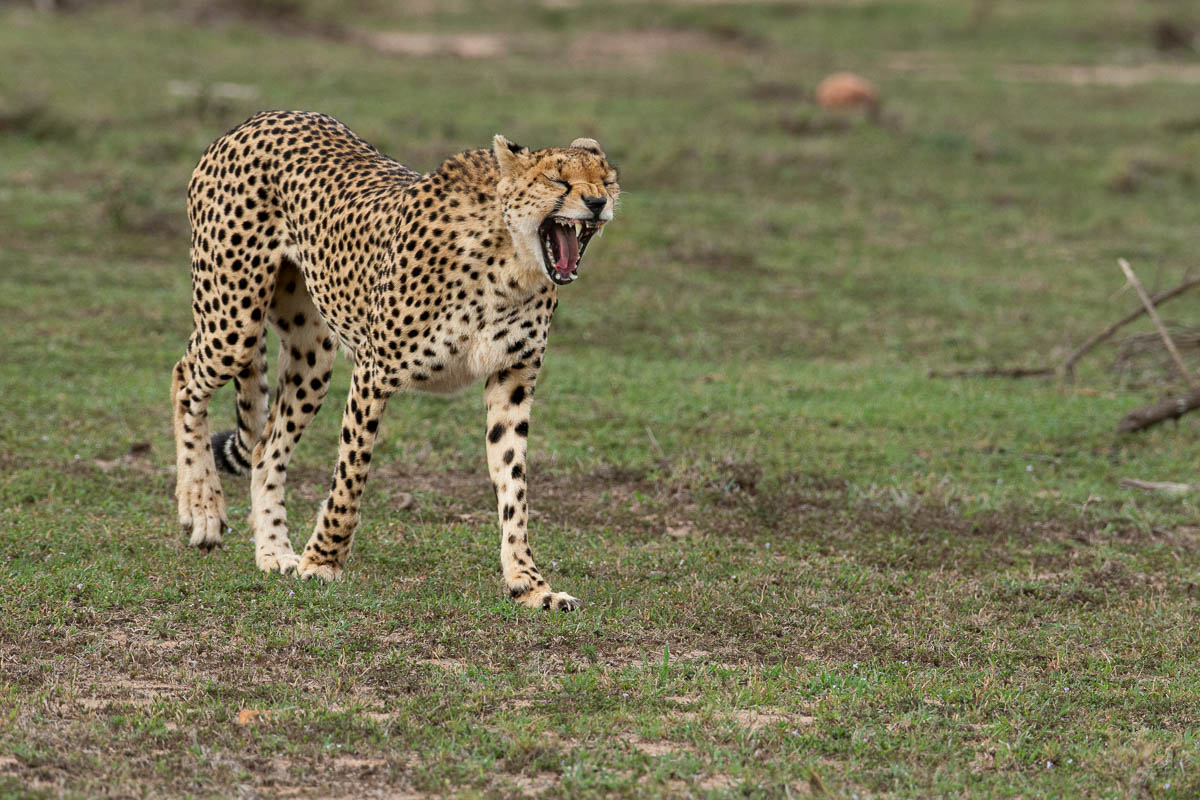
Cheetah yawning in the Maasai Mara
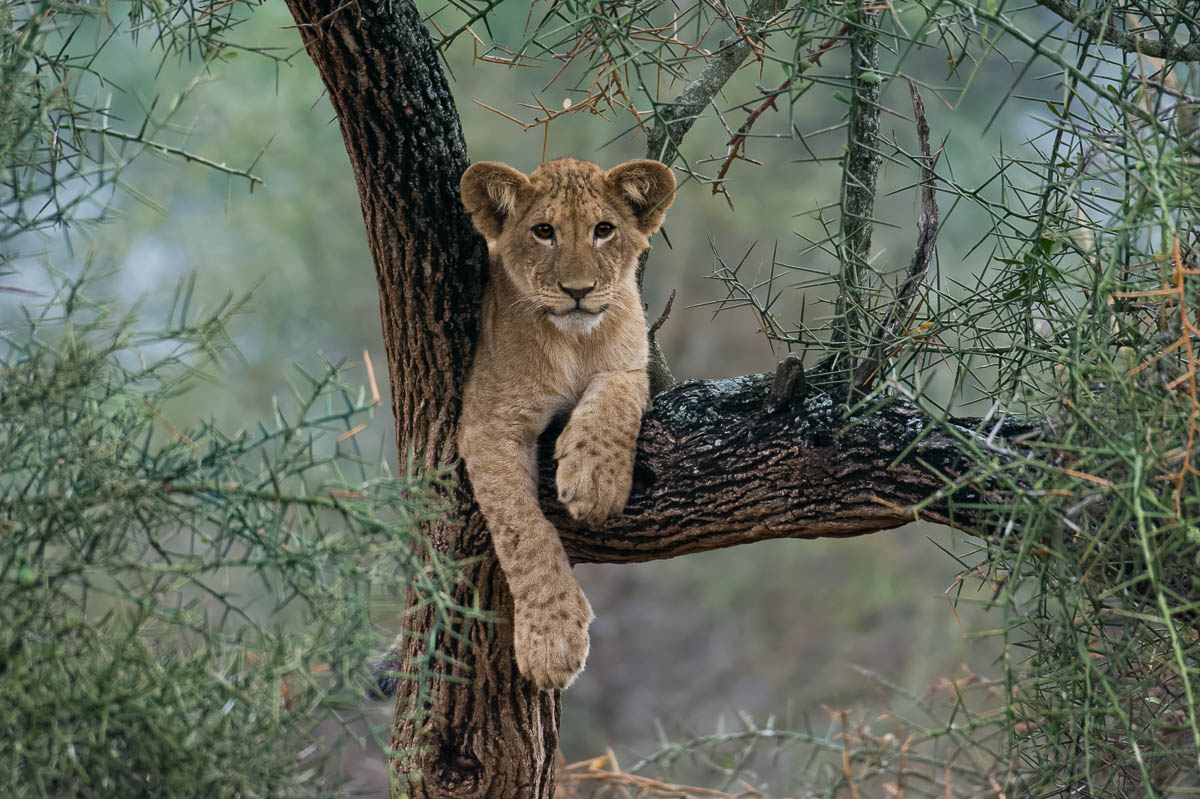
Lion cub in a tree in the Maasai Mara
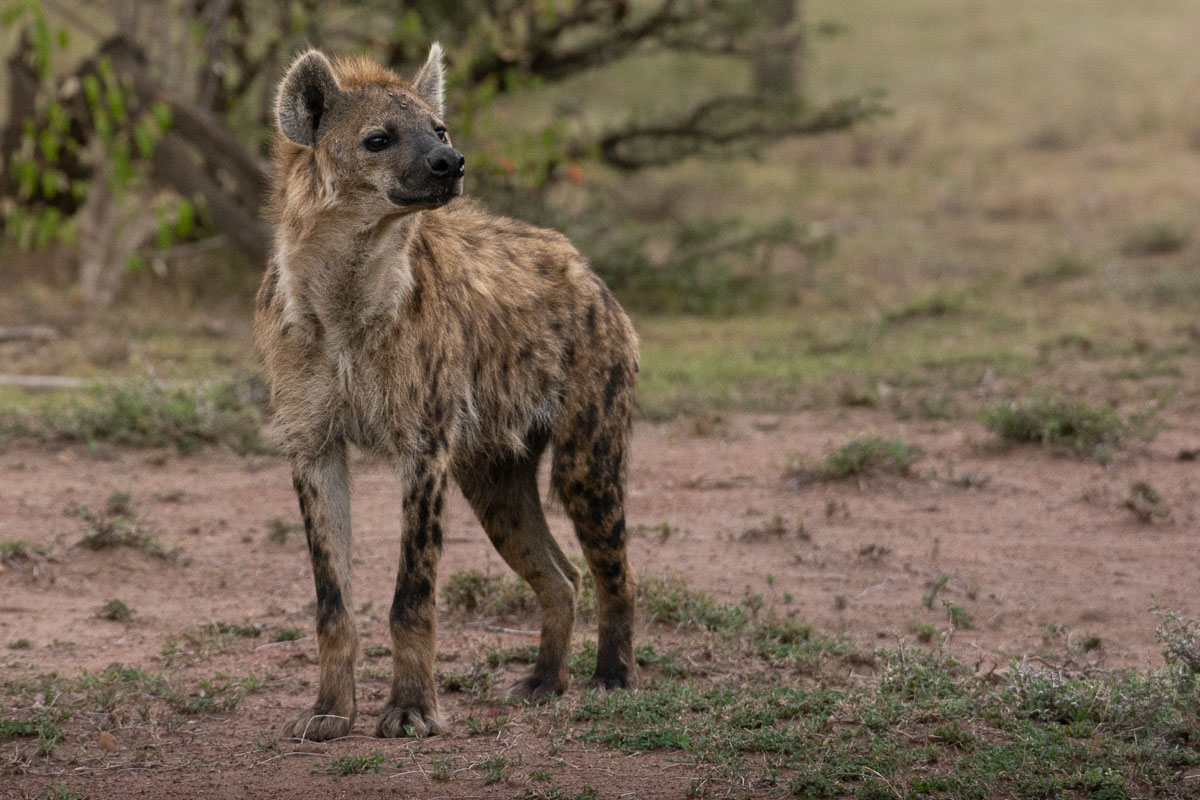
Spotted hyena in the Maasai Mara

Sample Itinerary

Welcome to Kenya. Upon arrival at Jomo Kenyatta International Airport, you'll be met for a private transfer to our secluded tented camp on the edge of the city. Time to rest and settle in after your flight, followed by an orientation briefing.

Overnight: Nairobi

Morning: After breakfast, we transfer to Wilson Airport for a light-aircraft flight north to Samburu, swapping Nairobi's highlands for a hot, dry landscape shaped by the Ewaso Ng'iro River.

Afternoon: We settle into Elephant Bedroom, a tented camp on the riverbank named for the elephants that routinely wander through it, then head out on our first game drive. Our focus here is the "Samburu Special Five," species found only in Kenya's north: Grevy's zebra, reticulated giraffe, Somali ostrich, gerenuk, and beisa oryx.

Overnight: Samburu

We'll game drive along the river, where animals come to drink throughout the day. We'll specifically target large herds of bathing elephants, along with the chance of leopard, lion, and cheetah.

Overnight: Samburu

Today we cross the Ewaso Ng'iro River to explore Buffalo Springs, Samburu's sister reserve. While in Buffalo Springs, we'll venture further from the river and explore some slightly different habitats. The reserve's open plains make it an excellent place for wildlife and photography!

Overnight: Samburu

Morning: We say goodbye to Samburu and fly south to the Mara, a wildly different landscape of rolling grassland.

Afternoon: We arrive at Olare Motorogi Conservancy for lunch, then set out on our first Mara game drive by 4pm.

Olare Motorogi sits in the greater Maasai Mara ecosystem, bordering the main reserve. Our local guides will draw on recent sightings to put us in the best position for wildlife encounters. We're hosted in a comfortable tented camp run by members of the local Maasai community, positioned along a hippo-filled river.

Overnight: Olare Motorogi Conservancy

A full day on safari in this iconic landscape. Depending on the year, the great migration may be arriving in the national reserve, and from Olare Motorogi we have easy access to it.

Overnight: Olare Motorogi Conservancy

Morning: Transfer to Ol Kinyei Conservancy, passing through another world-class safari destination, Naboisho, with a stop for bush breakfast along the way. In recent years, Naboisho has been a great place to spot leopard.

Lunch will be served at our private safari cottage in Ol Kinyei Conservancy. This luxurious stay has a private bar, dining area, and overlooks the conservancy.

Afternoon: Game drive in Ol Kinyei.

Overnight: Ol Kinyei Conservancy

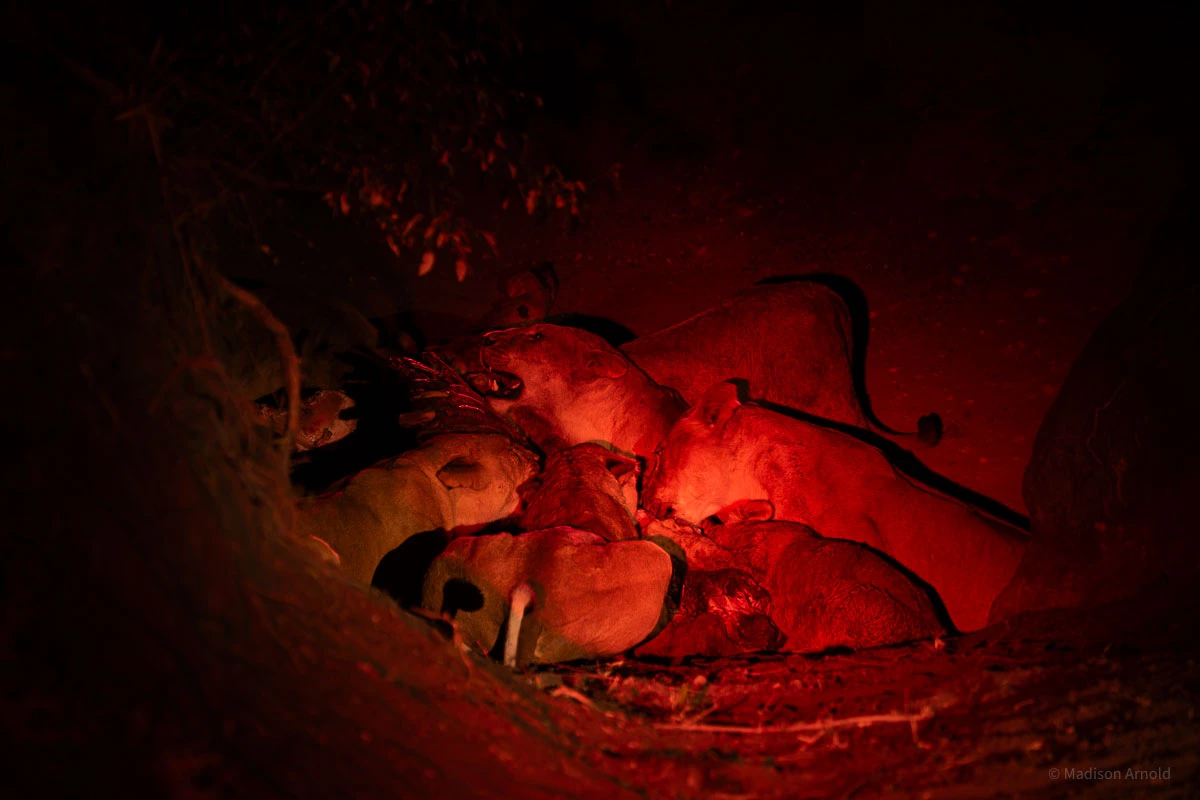
Ol Kinyei is the single best place in the world to view lions, and they'll be the focus of our stay here. The conservancy holds roughly 28 lions per 100km², nearly double the density found in the Maasai Mara and Serengeti reserves. It also supports large year-round numbers of wildebeest, elephant, and giraffe.

While here, we'll extend one game drive into the evening, using a thermal scope after dark to look for predator activity and rare nocturnal species.

As part of a TWP tour, we'll also hear a presentation from the conservancy manager, who has spent decades working to conserve landscapes across Kenya.

Overnights: Ol Kinyei Conservancy

After an optional early morning game drive, we'll head to the nearby airstrip and fly back to Nairobi. At this point, the tour concludes. If you're interested in extending your stay in Kenya or adding on a trip to the beaches of Zanzibar or the Seychelles, we're happy to make some recommendations!

End of tour

Frequently Asked Questions

  • Light-aircraft flights between Nairobi, Samburu, and the Mara
  • Accommodation, meals, and drinks (soft drinks, mineral water, non-premium beers and spirits)
  • Expert guiding and presentations
  • Conservancy and reserve fees
  • AMREF Flying Doctors evacuation cover
  • Tips for local guides

  • International flight to Nairobi
  • Kenyan Tourist Visa
  • Travel medical insurance (required)
  • Laundry services

  • Samburu / Buffalo Springs: hot and dry, with daytime highs regularly above 30°C
  • Mara conservancies: 14–23°C with low chances of rain — game drives can be deceptively chilly

  • WiFi is available at the lodges (only in communal tent at some camps)
  • With international roaming, there is decent service throughout the area

In Samburu, pack for heat — lightweight, breathable clothing and strong sun protection. In the Mara, open-sided moving vehicles can make it feel colder than it actually is; layers are encouraged.

Note: The Kenyan government has banned camouflage so please do not bring any.

  • Toiletries (soap and shampoo provided)
  • Type G power plug adapter
  • Photography gear (reach out if you have specific questions about focal lengths)
  • Binoculars are highly recommended
  • Headlamps are useful in early mornings
  • Some USD in cash for extra purchases

Yes. This tour offers excellent views of species like lions and elephants, and the ability to drive off-road lets us position vehicles for the best angles. Your TWP guide is a wildlife photographer and will offer photography coaching at any skill level.

We're also developing dedicated photo tours for the near future. These will include longer stays at each location, earlier departures to be in position before sunrise, extra luggage allowance on internal flights for camera gear, and fewer guests per vehicle. Reach out if you'd like to learn more.

Still have questions? We're happy to help.

CONTACT US